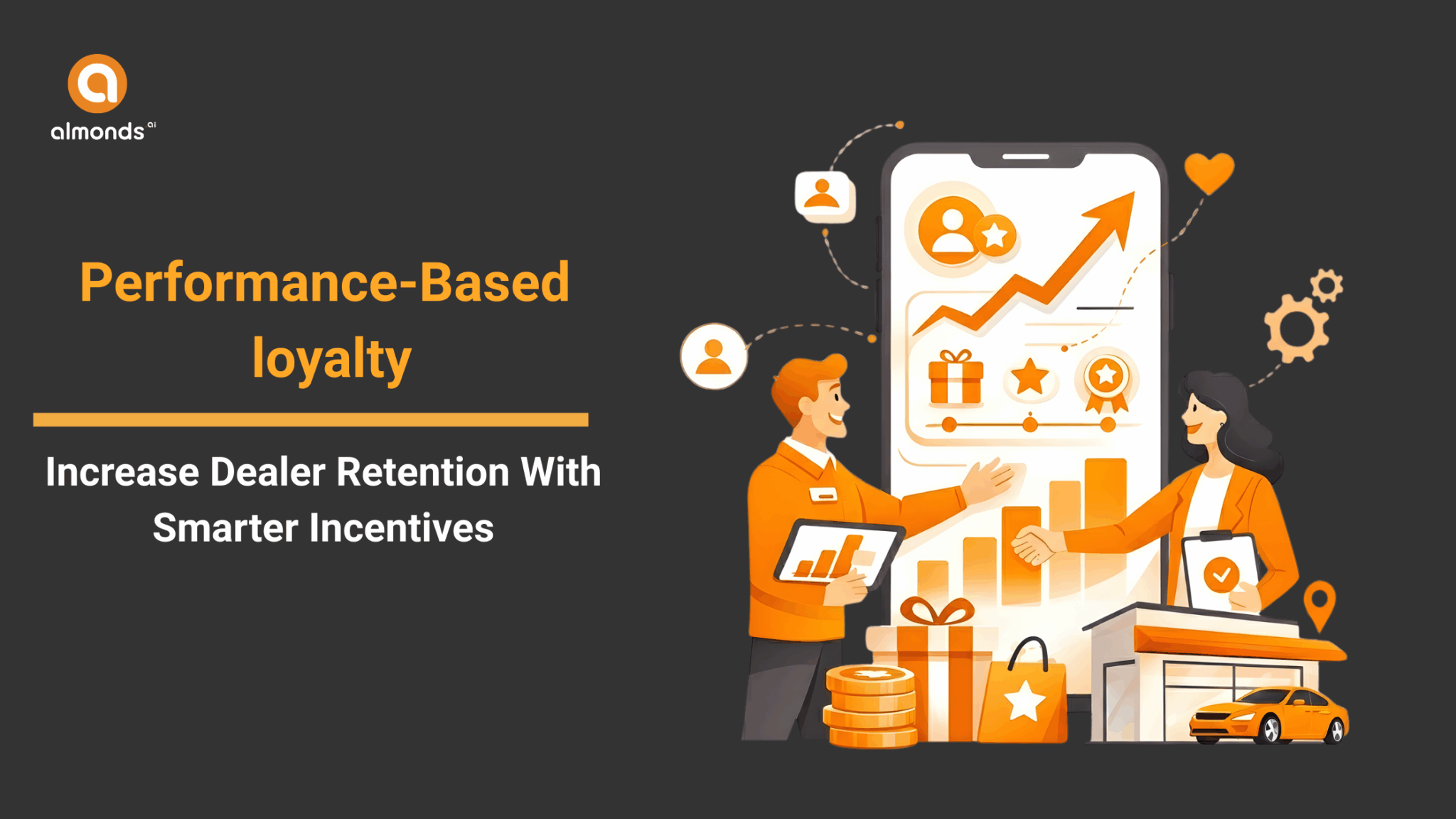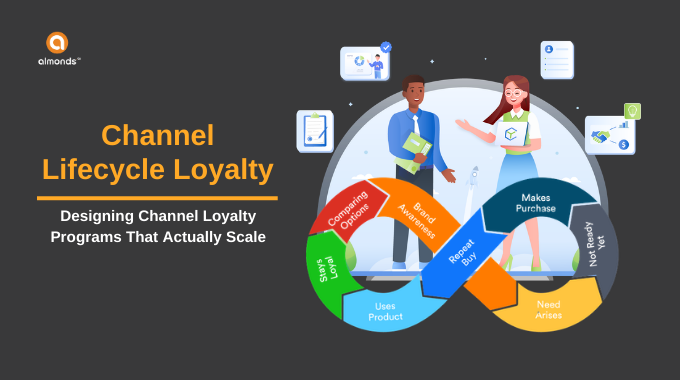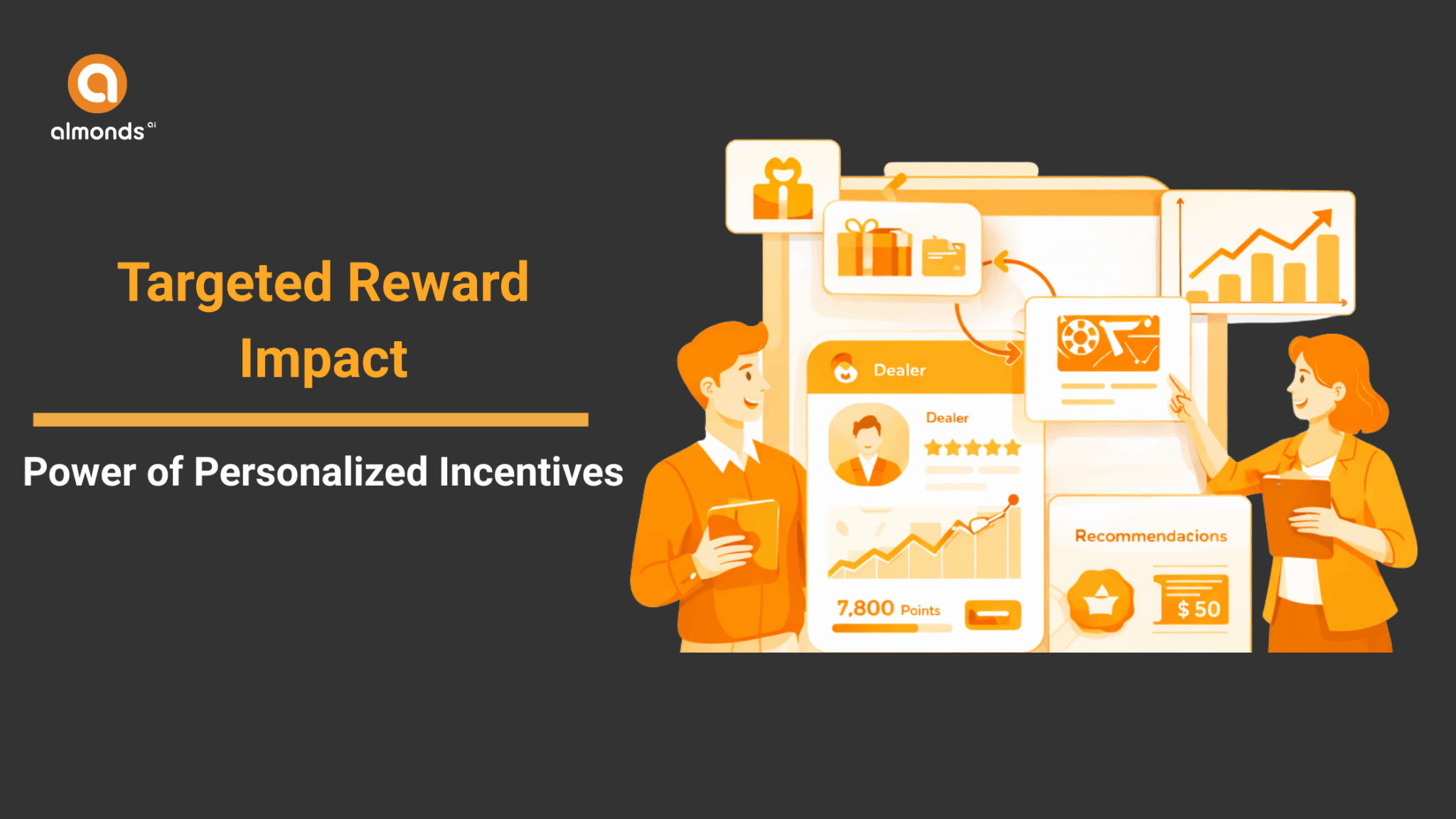

The current competitive market relies on channel partners, such as dealers, retailers, and distributors, to make sales and increase market reach. Although conventional rewards remain, business firms are moving towards individual rewards to encourage their partners in a more effective way.
An effective loyalty program for dealers is no longer merely a scheme of providing generic rewards. Today, dealers demand programs that identify their unique performance, preferences, and business objectives. One-on-one incentives will assist the brands to develop a stronger bond with their partners and motivate them into greater activity and higher sales.
This blog will discuss why individual incentives are important in B2B loyalty programs and how corporate organizations can use them to enhance channel relationships.
- Individualized rewards boost dealer motivation.
The reward programs that are generic usually do not stimulate the long-term commitment since they deal with all the dealers as equal. Yet, dealers act in other markets; they are subjected to various challenges, and they possess varying interests.
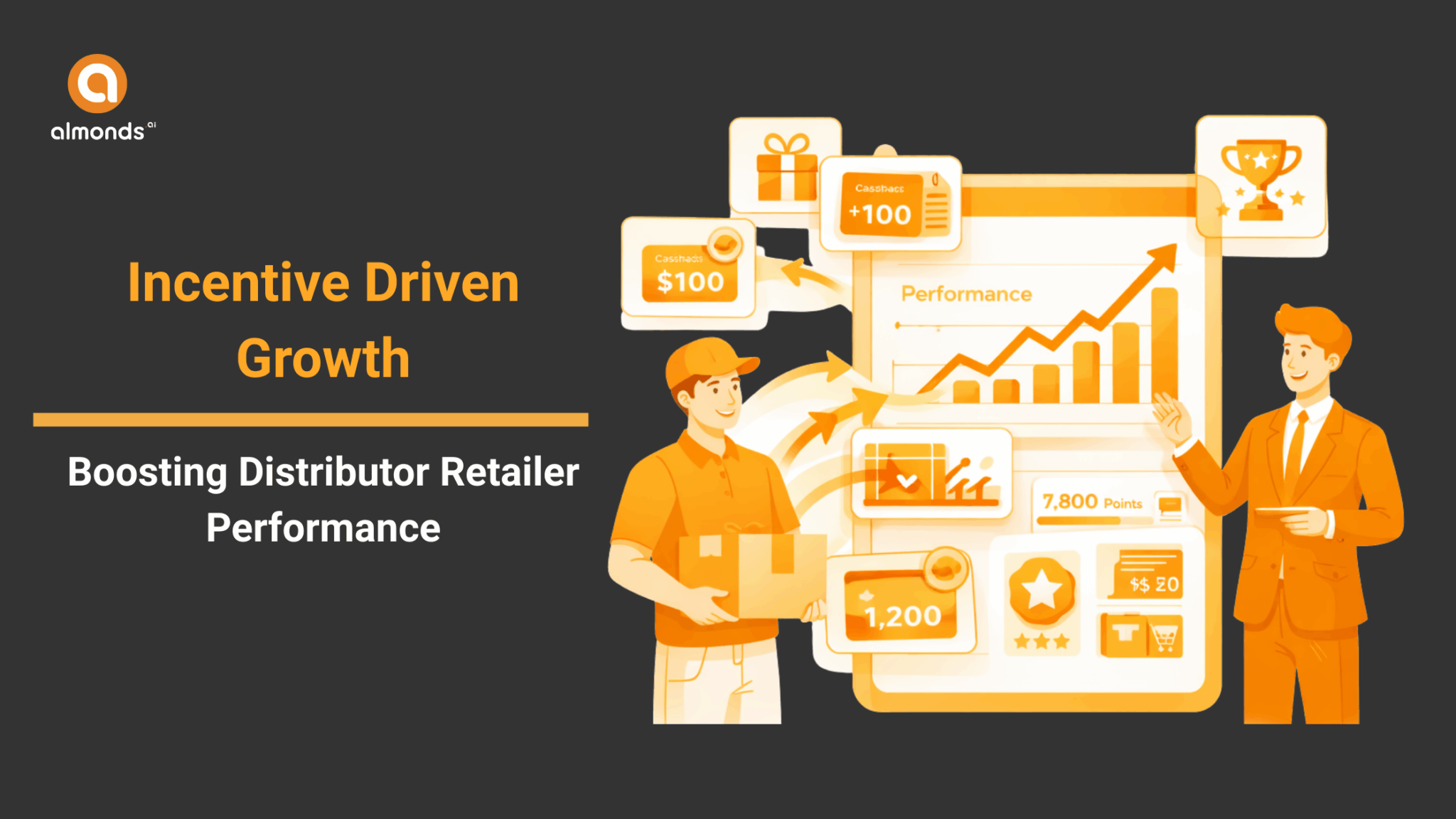
Personalized rewards work towards these differences by providing pertinent rewards, which will actually be of interest to the dealer. For example:
- Top-performing distributors can be interested in high-value gifts or travel options.
- Smaller shops may appreciate cashbacks, vouchers, or even extra margins.
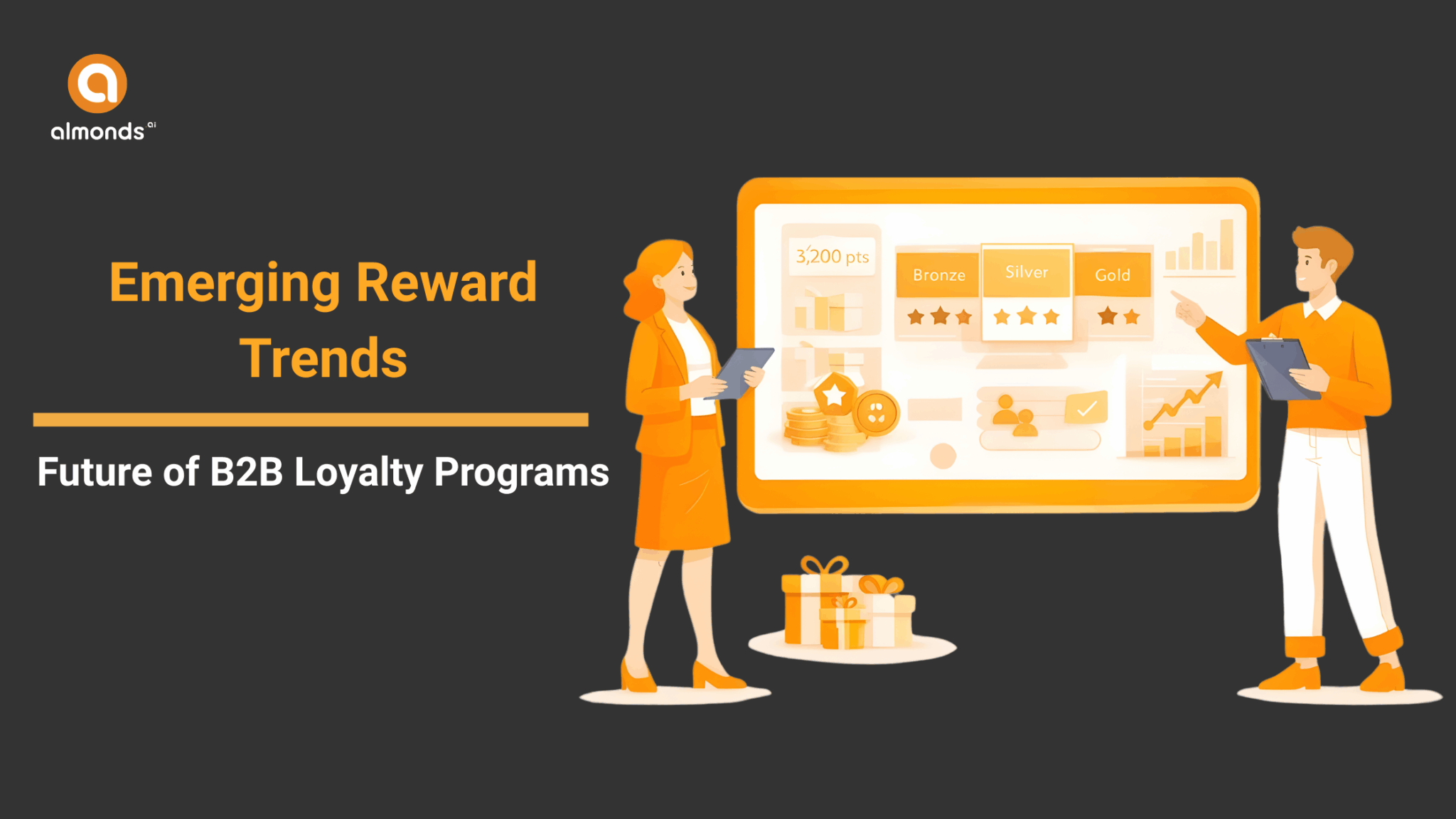
- Onboarding bonuses or milestone-based rewards could be valued by new dealers.
When individual goals are met by the incentives, dealers will tend to be more motivated and take interest in the program. Consequently, the loyalty program for dealers has increased in its effectiveness in ensuring consistent sales performance.
- Improved Engagement with Channel Partners
Perhaps one of the most difficult questions of a B2B loyalty program is to keep the partners active. Unless the incentives are attractive, the dealers might lose their interest in the program.
Individualized rewards make one feel exclusive and appreciated. The dealers do not feel that their contribution is ignored and that the brand does not undervalue their efforts. This encourages them to:
- Attend the program on a regular basis.
- Monitor their performance and rewards.
- Participate in brand campaigns and promotions.
Businesses can make substantial gains in the engagement of their loyalty program with dealers by providing personalized incentives and turn this into an effective tool to enhance the relationships with the partners.
- Promotes Increased Sales and Performance
Individualized rewards are very successful in motivation towards certain business objectives. Businesses can develop incentives that encourage dealers to specialize in specific products, sales volume, or seasonal promotions.
For example, brands can offer the following:
- Additional incentives on new lines of products.
- Extra points on meeting quarterly goals.
- Bonuses on entering new markets.
This focus strategy will make the channel partners work towards the strategic goals of the brand. Consequently, a dealer loyalty program is no longer a reward program, but rather a performance-based growth strategy.
- Establishes better dealer relationships
In any B2B partnership, trust and loyalty are important. Individual rewards also assist the brands in developing a better association with the dealers as they indicate that they comprehend their requirements.
Dealers will feel appreciated when they are rewarded based on their preference and efforts. This enhances their affections towards the brand.
In the long run, this relation-building strategy assists companies:
- Keep their most successful partners.
- Minimize the chances of dealers defecting to the competitors.
- Develop long-term loyalty in the distribution channel.
An appropriately planned loyalty program for dealers can thus contribute to developing stable and sustainable channel affiliations.
- Bigger and Better Decision Making with Data-Driven Insights
Contemporary B2B customer loyalty solutions apply data and analytics to monitor dealer activity, performance patterns, and reward preferences. Such insights are useful in enabling companies to know what drives their partners most.
Using this information, the businesses will be able to:
- Find best-performing dealers.
- Modify incentives to enhance participation.
- Design target campaigns of particular partner segments.
Data-driven strategy enables firms to maintain and optimize their loyalty program for dealers on a constant basis to make sure it is valuable and effective.
Conclusion
Generic reward systems do not suffice to maintain channel partners involved in the changing B2B environment. Dealers, retailers, and distributors demand programs that appreciate their individual efforts and offer incentives based on their needs. Individualized bonuses assist companies in enhancing motivation; increasing engagement, sales performance; and establishing better connections with channel partners.
Almond AI assists companies in creating and operating robust B2B loyalty programs for dealers, distributors, and retailers. Almond AI empowers brands to communicate with channel partners efficiently and to promote long-term performance within their distribution network, leveraging advanced analytics, automation, and tailored incentive structures.